GigaPaw.com participates in affiliate programs including Amazon Associates. We earn from qualifying purchases. Content is for informational purposes only—consult a licensed veterinarian for pet medical advice.
Best Fabric for Cat Quilts (What to Buy and Where to Find It)

So you want to make a cat quilt. Maybe you already picked your pattern, and now you just need the right fabric to bring it to life.
Maybe it’s covered in tiny embroidered kitties. Maybe it’s a cozy blanket for the actual cat who has decided your couch is now their property. Either way, you’ve hit the same wall every beginner hits.
You walk into a fabric store, see 4,000 bolts of fabric, and your brain just quietly shuts off.
Good news: picking fabric for a cat quilt is way simpler than it looks. You really only need to understand four things, and I’m about to walk you through all of them.
Let’s get you cutting.
The One Rule That Matters Most: 100% Quilting Cotton
If you remember nothing else from this whole post, remember this.
For the main body of your quilt, you want 100% cotton quilting fabric. Not apparel cotton, not bedsheets, not that mystery fabric from the clearance bin. Actual quilting cotton.
Here’s why it matters so much.
Quilting cotton has a tighter, higher thread count weave than regular cotton. That tight weave is what holds your stitches crisp and stops the fabric from fraying into a sad mess after one wash.
It also presses flat and stays flat, which matters a lot when you’re trying to line up little cat faces and not lose your mind.
Cheap fabric shifts, stretches, and puckers. Quilting cotton behaves. That’s the whole difference.
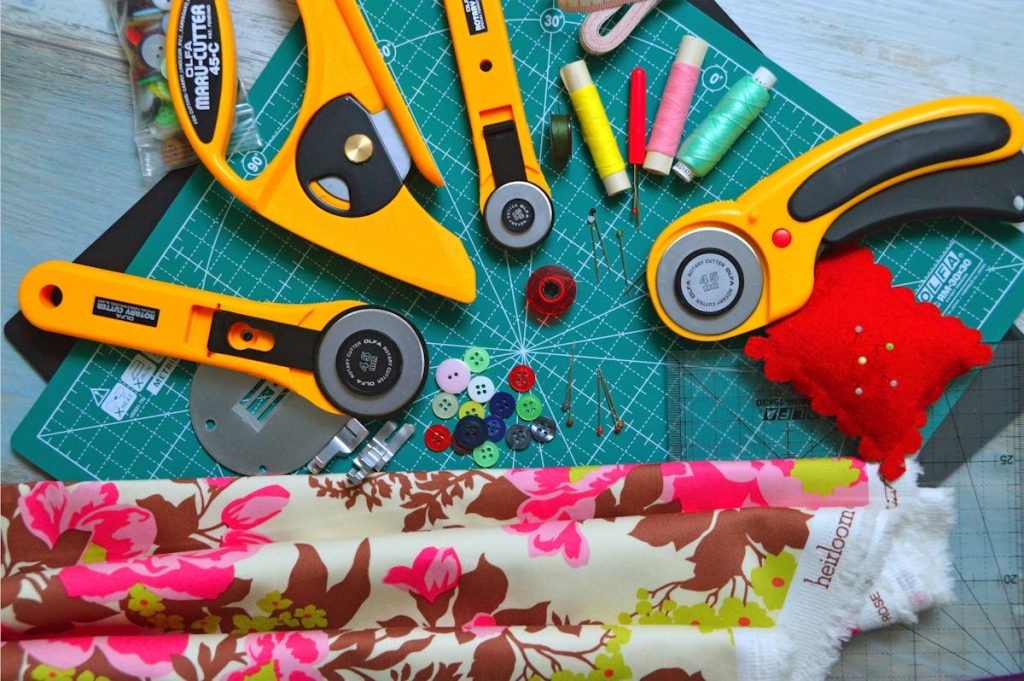
| Fabric type | Good for a cat quilt? | Why |
|---|---|---|
| Quilting cotton (100%) | Yes, always | Tight weave, holds stitches, presses flat |
| Apparel/garment cotton | Not really | Looser weave, stretches, frays |
| Flannel | For backing only | Cozy but shifts and pills if overused |
| Minky/fleece | Backing only, with care | Slippery, soft, great for cat blankets |
| Bedsheets | Please no | Thread count looks high but weave is wrong for piecing |
Stick with quilting cotton for the top of your quilt and you’ve already avoided the biggest beginner mistake.
Cat-Print Fabric: The Fun Part
Okay, now the part you actually came here for.
If you want a quilt that screams “a cat person made this,” you’ll want some cat-print fabric (See cat-print quilting fabric on Amazon) in the mix. And there’s a shocking amount of it out there.
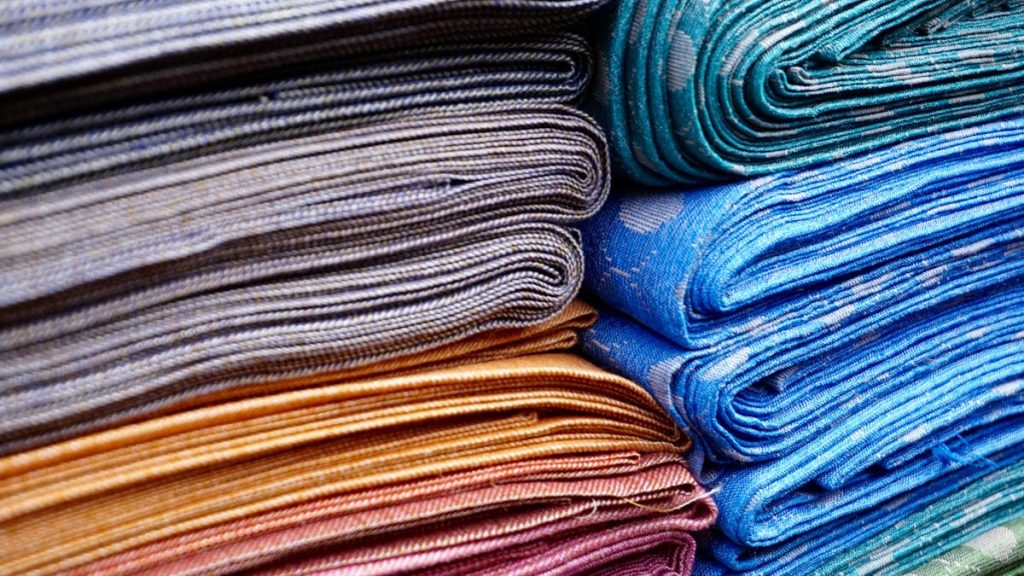
A few brands absolutely dominate the cat fabric world, and knowing the names makes shopping way faster.
| Brand | Known for | Vibe |
|---|---|---|
| Timeless Treasures | Realistic, lifelike cat prints | Cats that look ready to leap off the fabric |
| Robert Kaufman | High-quality novelty cats | Clean, vibrant, beginner-friendly |
| Riley Blake Designs | Cute illustrated cats (like the Chloe & Friends line) | Sweet pastels, great for baby and gift quilts |
| Windham Fabrics | Modern, artsy cat motifs | Stylish without being cutesy |
| Dear Stella & Studio E | Playful, quirky kittens | Fun prints for scrappy quilts |
You’ll see collections with names like Cat Happy, Catnip, and Feeline Good (yes, really). They rotate seasonally, so if you fall in love with one, grab it before it sells out.
A quick warning from experience: cat-print fabric is dangerously collectible. You will tell yourself you need “just one more.” You will be lying.
Balance Your Prints With Solids
Here’s a mistake I see constantly.
People buy ten different busy cat prints, sew them all together, and end up with something that looks like a fabric store exploded.
The fix is solids and blenders. These are plain colors or subtle textures that give your eye a place to rest between all the busy cat faces.
Think soft creams, gentle greys, or a color pulled straight from your favorite print.
A good rule of thumb: for every two or three busy prints, add one calm solid. Your quilt will instantly look more “designed” and less “chaotic craft drawer.”
Don’t Forget the Backing
Every quilt is a sandwich. The top, the backing, and the fluffy middle.
The backing is the big piece of fabric on the underside, and it deserves more thought than most beginners give it.
You’ve got three solid choices here.
Cotton backing is the easy default. Same quilting cotton you used on top, just in a wider cut or pieced together. It washes well and matches the front beautifully.
Flannel backing makes the quilt extra cozy and warm. Perfect for a winter cuddle quilt, though it does attract a bit more cat hair (a tragic irony for a cat quilt, I know).
Minky backing is that ultra-soft, plush fabric. It’s heavenly to touch and amazing for a quilt your cat will actually sleep on, but it’s slippery to sew, so maybe not your very first project.
Batting: The Fluffy Middle
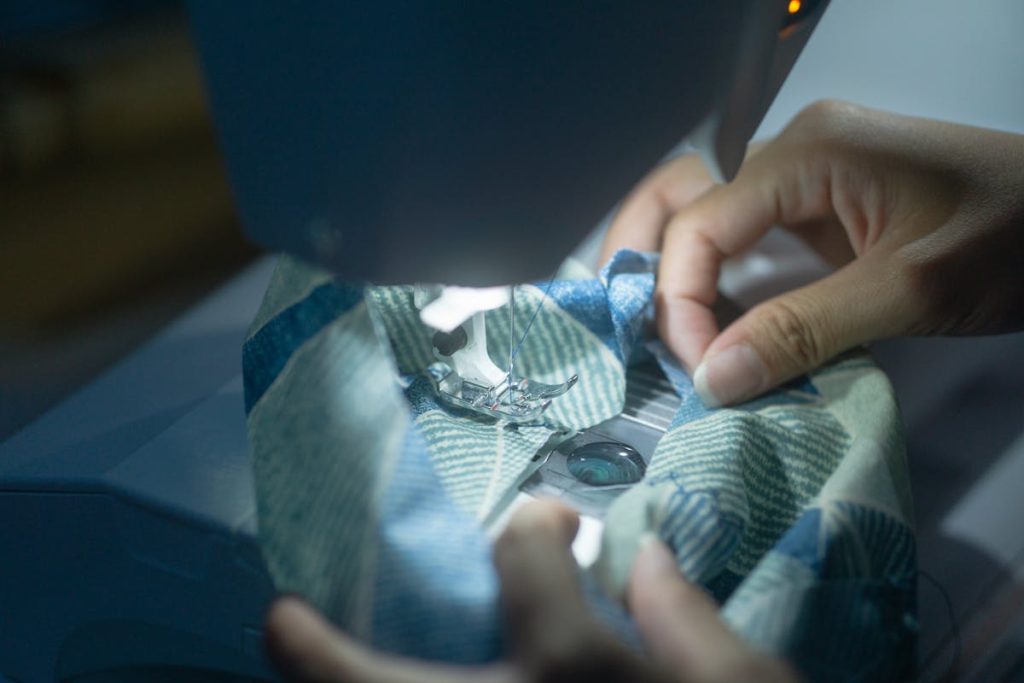
Batting is the layer between your top and backing. It’s what makes a quilt a quilt instead of just two sheets stuck together.
This is where a lot of beginners freeze up, so let’s keep it simple.
| Batting type | Feel | Best for |
|---|---|---|
| 100% cotton | Flat, soft, classic | Traditional quilts, that puckered vintage look after washing |
| 80/20 cotton-poly blend | Slightly lofty, durable | Everyday quilts, kid and pet blankets, the all-rounder |
| Polyester | Puffy, high loft | Showing off fancy quilting stitches, fluffy throws |
| Wool | Warm, lightweight, springy | Cold climates, wall hangings |
| Bamboo | Soft, drapey, breathable | Eco-minded quilters, summer quilts |
For a first cat quilt, an 80/20 cotton-poly blend is the safest pick. It’s forgiving, durable, and survives the washing machine, which matters a lot if your cat is going to drag it around.
Two brand names worth knowing: Warm & Natural and Pellon. Both are widely available, beginner-friendly, and won’t bunch up inside your quilt.
One pro tip: check the batting label for its recommended quilting distance. Most batting needs stitching every 3 to 4 inches so the fluff doesn’t shift and clump after a wash.
Making a Quilt FOR Your Cat? Read This.
There are two kinds of cat quilts, and they need slightly different fabric.
If you’re making a decorative quilt covered in cats, everything above applies. But if you’re making a quilt for your cat to actually sleep, knead, and shed all over, durability becomes the priority.
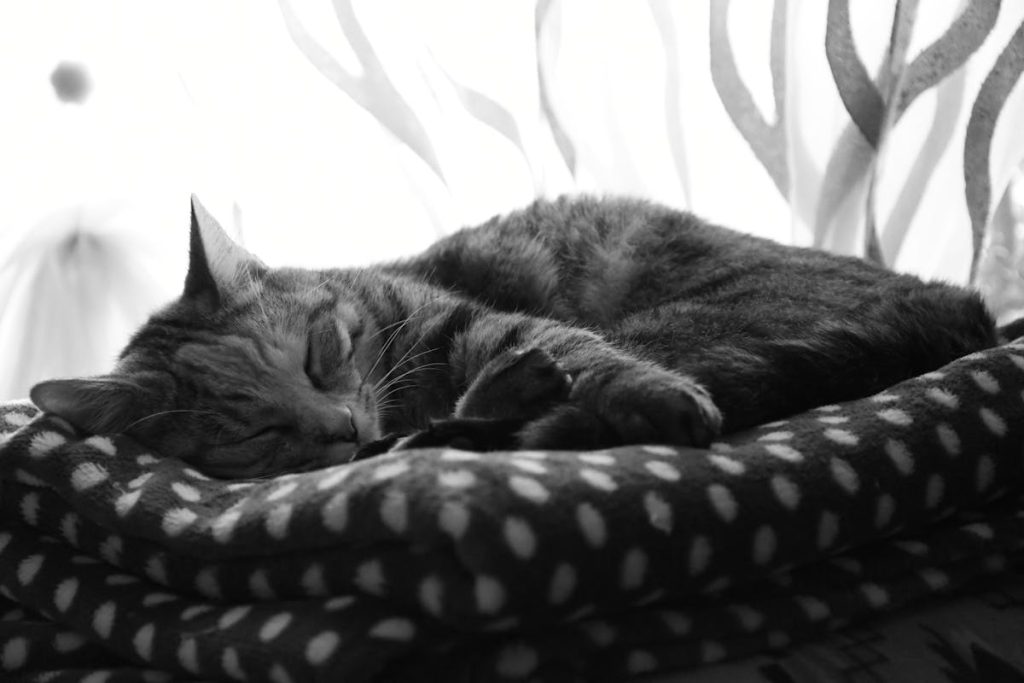
Here’s what holds up to feline abuse:
- Tightly woven cotton resists snags from claws better than loose weaves. The tighter the weave, the harder it is for a claw to catch.
- Skip the loose, fuzzy fabrics for the top. Open weaves and fluffy surfaces are basically claw magnets, and cat hair tangles right into them.
- Pick a washable batting because, let’s be honest, it’s going to need a lot of washing.
- Darker or busy prints hide hair way better than solid cream. Your future self will thank you.
A cat-destined quilt doesn’t need to be fancy. It needs to survive the spin cycle approximately one thousand times.
Precuts: The Beginner’s Best Friend
Walk into fabric shopping blind and you’ll hear words like “fat quarters (Shop cat-print fat quarters on Amazon)” and “jelly rolls (Browse quilting jelly rolls on Amazon)” and wonder if you wandered into a bakery.
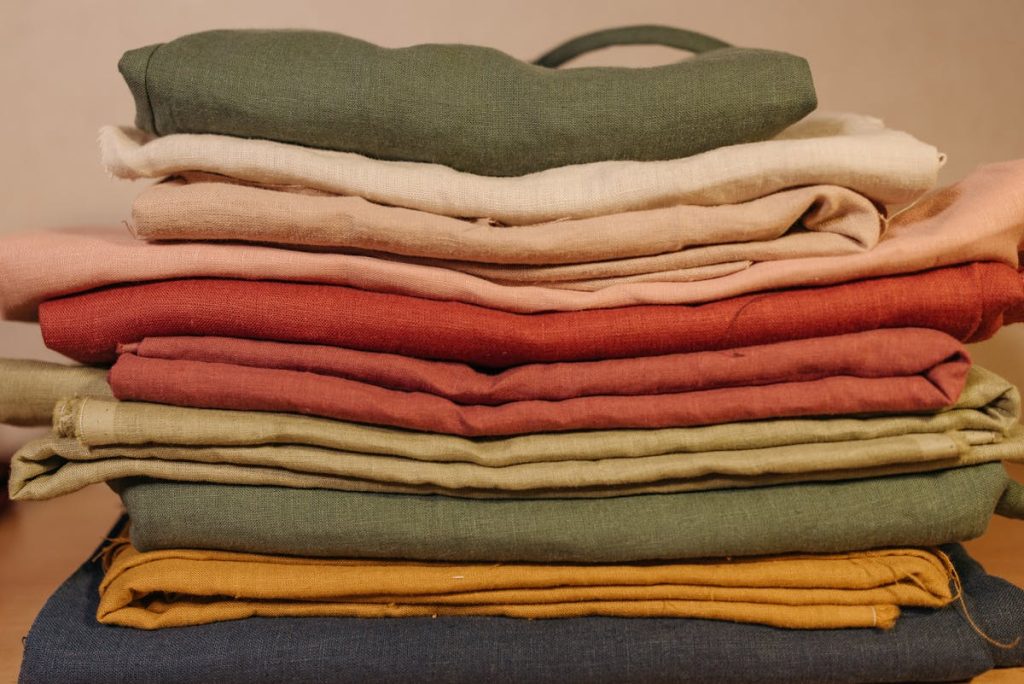
These are precuts. They’re fabric already cut into standard sizes so you don’t have to buy full yards and chop them up yourself.
They’re perfect for cat quilts because you get lots of different prints in small, affordable amounts.
| Precut | Size | What you get |
|---|---|---|
| Fat quarter | 18″ x 22″ | A generous chunk, great for fussy-cutting single cat motifs |
| Charm pack | 5″ squares | ~42 squares, ideal for small patchwork |
| Jelly roll | 2.5″ strips | ~40 strips, fast strip-pieced quilts |
| Layer cake | 10″ squares | ~42 squares, bigger blocks, less cutting |
For a first cat quilt, grab a bundle of cat-print fat quarters plus a couple of coordinating solids. That combo covers most beginner patterns without any math headaches.
Where to Actually Buy It
Now for the “where to find it” part of the promise.
If you used to run to JOANN for this, heads up: JOANN closed all its stores in 2025. So here’s where quilters shop now.
Online specialty shops are your best bet for selection:
- Fat Quarter Shop carries Riley Blake, Moda, and tons of fat quarter bundles.
- Missouri Star Quilt Co. has a huge dedicated cat fabric section in yards, fat quarters, jelly rolls, and layer cakes.
- Etsy is gold for indie and out-of-print cat prints you won’t find anywhere else.
- Amazon is the fastest option for cat-print fabric and precut bundles when you want it on your doorstep this week.
Local quilt shops are worth a visit too. You can feel the fabric, get advice from people who’ve made a hundred quilts, and you support a small business while you’re at it.
Hobby Lobby still stocks basic quilting cotton and batting in person if you need supplies today.
How Much Fabric Do You Actually Need?
Rough numbers so you don’t over or under buy.
| Quilt size | Approx. finished size | Fabric needed (top) |
|---|---|---|
| Baby/lap | 36″ x 48″ | 1.5 to 2 yards total |
| Throw | 50″ x 65″ | 3 to 4 yards total |
| Twin | 70″ x 90″ | 5 to 6 yards total |
Always buy a little extra. Running out of a print mid-project, only to find it’s sold out forever, is a special kind of heartbreak that quilters know well.
Final Thoughts
Picking fabric for a cat quilt really comes down to four easy calls.
Quilting cotton on top. A cozy backing you like the feel of. A forgiving 80/20 batting in the middle. And as many cute cat prints as your budget can survive.
Don’t overthink it. The “perfect” fabric combo doesn’t exist, and half the fun is mixing prints until something makes you smile.
Once you’ve got your fabric sorted, you’ll need something to actually make. Take a look at our roundup of cat quilt patterns for beginner-friendly designs that show off all those prints you just bought.
Then go cut some fabric. Your cat is already planning to nap on whatever you make anyway.