GigaPaw.com participates in affiliate programs including Amazon Associates. We earn from qualifying purchases. Content is for informational purposes only—consult a licensed veterinarian for pet medical advice.
How to Get Rid of Litter Box Smell in a Small Apartment (9 Things That Actually Work)

Let’s be honest about the situation.
You love your cat. You do not love that your guests can tell you have a cat the second they walk through the door.
In a big house, a stinky litter box is a problem you can sort of run away from. You shut a door and pretend it’s not there.
In a small apartment, there is no running. The box is basically in the room with you at all times, quietly broadcasting to everyone.
The good news is that a smelly apartment is almost never the cat’s fault. It’s a setup problem. And setup problems are fixable.
Here are 9 things that actually work, roughly in order of how much they matter.
First, Why Small Apartments Smell Worse
It’s not your imagination. The same litter box that’s fine in a big house can stink out a studio.
Two reasons. Less air volume means odor builds up to a noticeable level way faster. And small apartments usually have worse airflow, so that smell just sits there with nowhere to go.
The actual stink is mostly ammonia. When cat pee sits in litter, bacteria break the urea down into ammonia gas, which is that sharp, eye-watering smell that hits you from across the room.
So most of this list is really about one thing: getting the waste out, and getting the air moving, before that ammonia has a chance to take over your tiny space.
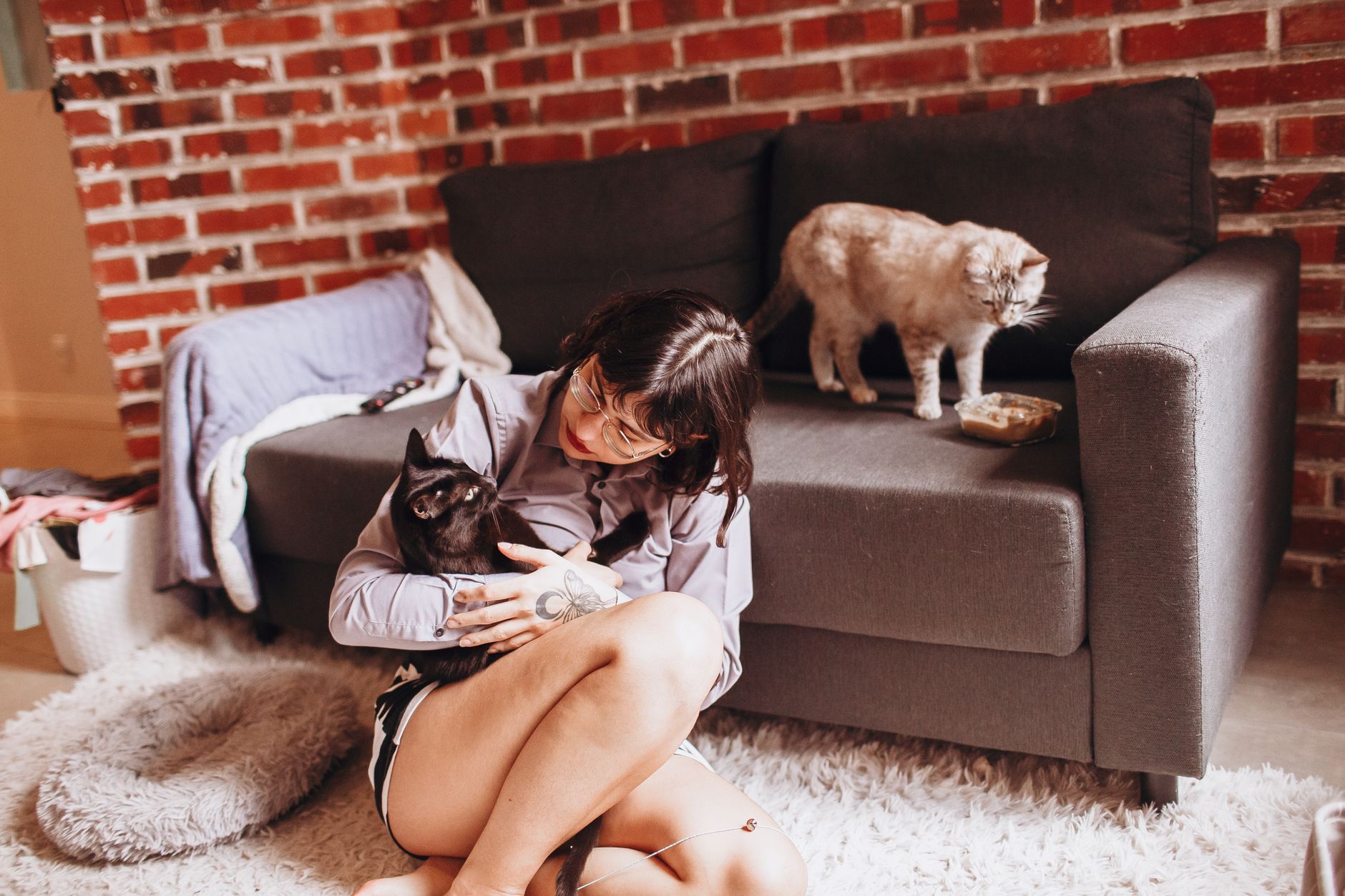
1. Scoop Twice a Day (This Is the Whole Game)
If you only do one thing on this list, do this one.
Scooping once a day is the bare minimum. In a small apartment, twice a day is what actually keeps the smell invisible.
Here’s why it matters so much. The longer pee and poop sit in the box, the more ammonia gets produced. Scoop in the morning and again at night, and you never let it reach the smelly stage.
It takes about 90 seconds. Keep a scoop and a small lidded trash can right next to the box so there’s zero friction.
This single habit beats every fancy product you could buy. No air purifier on earth can keep up with a box that doesn’t get scooped.
2. Use a Clumping, Carbon-Based Litter
Not all litter is built to fight smell, and the cheap stuff usually isn’t.
Clumping clay litter controls odor better than non-clumping kinds because it traps the pee in a solid ball you can lift out cleanly. Nothing soaks into the bottom and festers.
Look for a litter with activated carbon baked in. Carbon is the same stuff used in water filters and gas masks, and it grabs odor molecules out of the air instead of just covering them up.
One warning. Skip the heavily perfumed litters if you can. They smell strong to you, but many cats hate them, and “flowery pee” is somehow worse than plain pee. And if litter scattering across the apartment is half the battle, our guide to the best low-tracking cat litter clumps hard and tracks far less.
3. Add Baking Soda or Activated Charcoal to the Box
This is the cheapest upgrade you can make, and it works.
Sprinkle a thin layer of plain baking soda on the bottom of the box before you add litter. Baking soda neutralizes acidic odors instead of masking them.
Even better, mix 2 to 3 tablespoons of activated charcoal straight into the litter. It pulls ammonia out of the air right at the source.
Both are unscented, cat-safe in these small amounts, and cost almost nothing. Don’t dump in a giant pile, though. A light, even layer is all you need.
4. Rethink the Box Itself
People assume a covered, hooded box is the answer. Sometimes it is. Sometimes it makes things worse.
A hood traps smell better between scoops, which is great for you. But it also traps it for your cat, and a stuffy box is one of the top reasons cats start peeing somewhere else.
If you go covered, you have to scoop even more often, not less. The smell is still building in there, you just can’t see it.
Stainless steel boxes are the quiet winner for apartments. Plastic gets micro-scratches over time that soak up odor permanently. Steel doesn’t absorb anything and wipes totally clean.
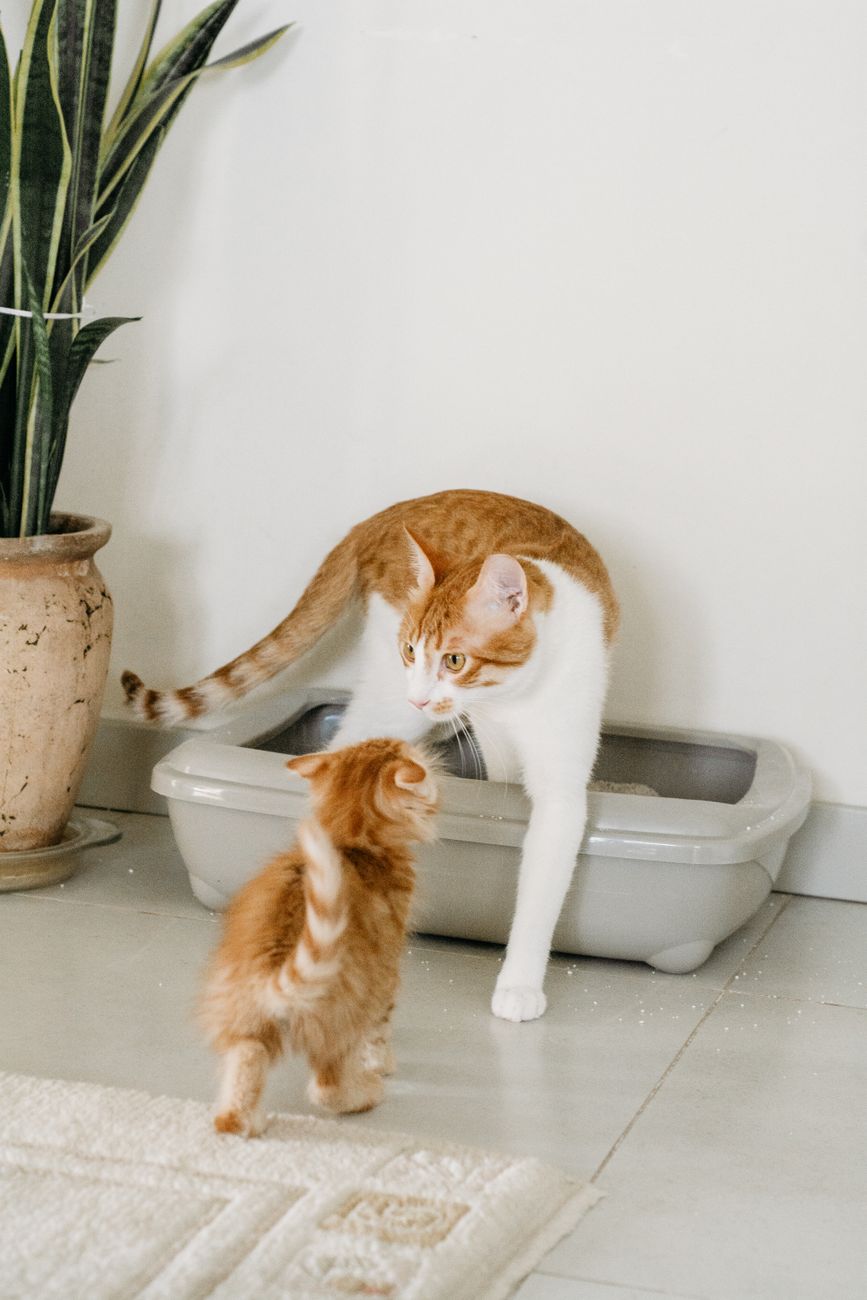
| Box type | Smell control | Watch out for |
|---|---|---|
| Open plastic | Okay | Scratches hold odor over time |
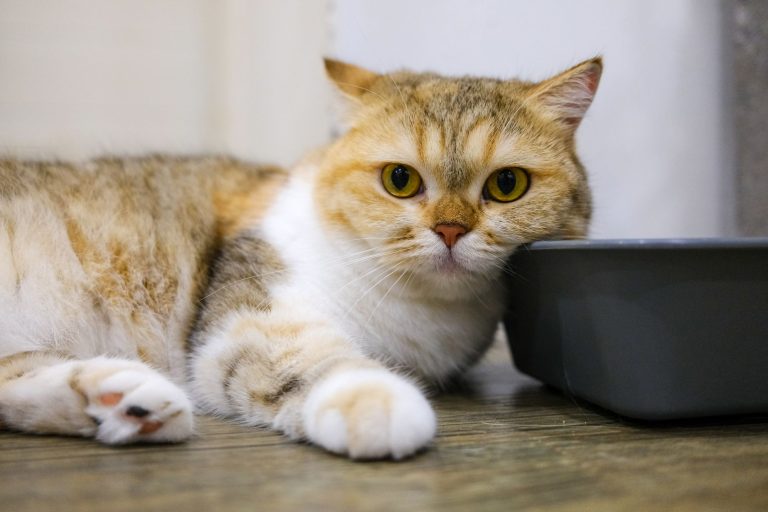
| Covered/hooded | Good for you, bad for cat | Needs MORE scooping, not less |
| Stainless steel | Best long-term | Costs more up front |
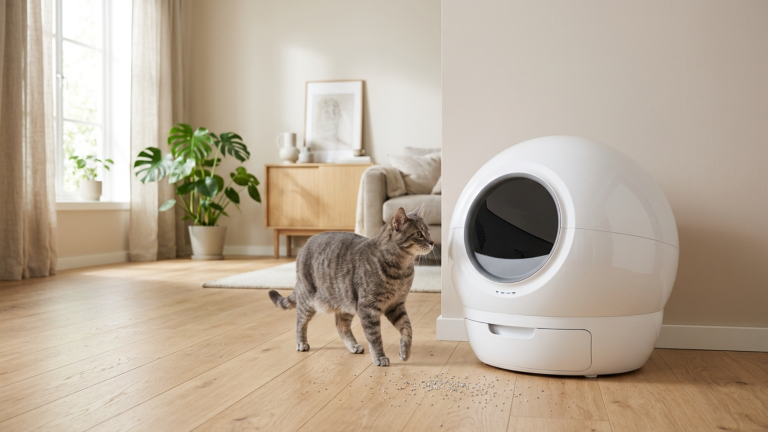
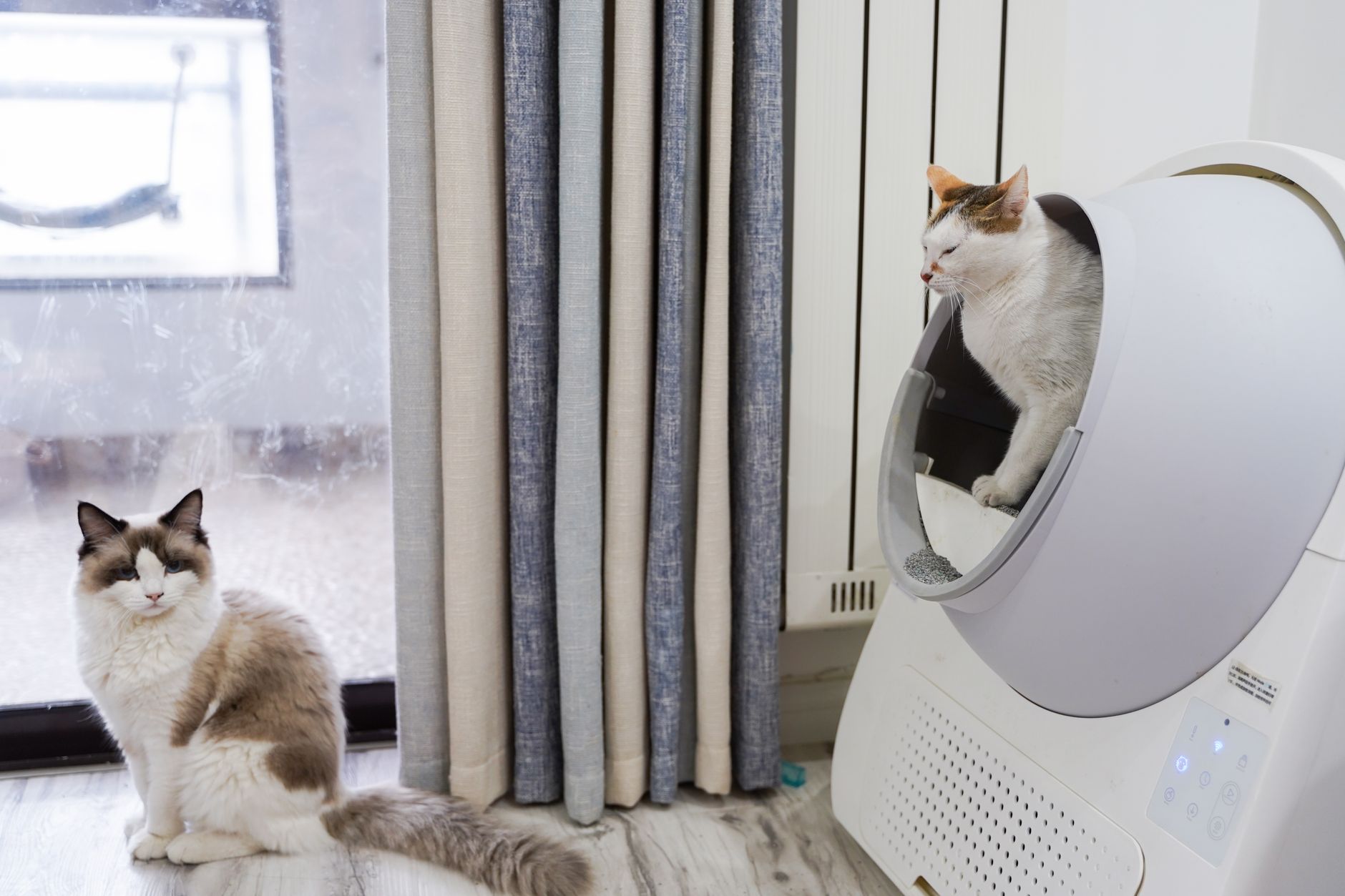
| Self-cleaning | Great if maintained | Still needs deep cleaning |
5. Put the Box Somewhere With Actual Airflow
Placement is where most apartment owners go wrong, usually because they’re trying to hide the box.
The instinct is to shove it in a sealed cabinet or a tiny closet. That traps the air, and trapped air traps smell. You’ve basically built a stink chamber.
The sweet spot is a low-traffic spot that still has ventilation. A bathroom with an exhaust fan is close to perfect. So is a laundry nook.
You can absolutely still hide the box for looks, you just need airflow built in. If you’re working with that, our hidden litter box ideas for renters covers setups that look clean without sealing the smell inside.
Just don’t tuck it next to where your cat eats or sleeps. They hate that as much as you would.
6. Deep Clean the Box (Not Just the Litter)
Here’s the step almost everyone skips. Scooping keeps daily smells down, but the box itself slowly turns into the problem.
Once a week, dump all the litter, and wash the empty box with warm water and unscented dish soap. Dry it fully before refilling.
Do not use bleach or any ammonia-based cleaner. Ammonia smells like cat pee to a cat, and it can actually invite them to mark the spot.
And replace plastic boxes every 6 to 12 months. Once those scratches build up, no amount of scrubbing gets the smell out. A fresh box is shockingly effective.
If the smell has already soaked into your floor or a nearby wall from an old accident, scooping won’t fix that part. Our cat urine smell remover guide handles odor that’s already in the surfaces.
7. Have Enough Boxes (Yes, Even in a Studio)
This sounds backwards for a small space, but stay with me.
The standard rule is one box per cat, plus one extra. One cat means two boxes. Two cats means three.
When a box gets overused, it hits the smelly stage way faster, and your cat may start avoiding it. An avoided box leads to accidents, which is a much worse smell problem.
In a studio, even adding one more box spreads the load so neither one gets gross between scoops. They don’t have to be huge. They just have to exist.
8. Run an Air Purifier With a Carbon Filter
This is your backup, not your starter. A purifier cannot save a dirty box, but it makes a clean setup almost undetectable.
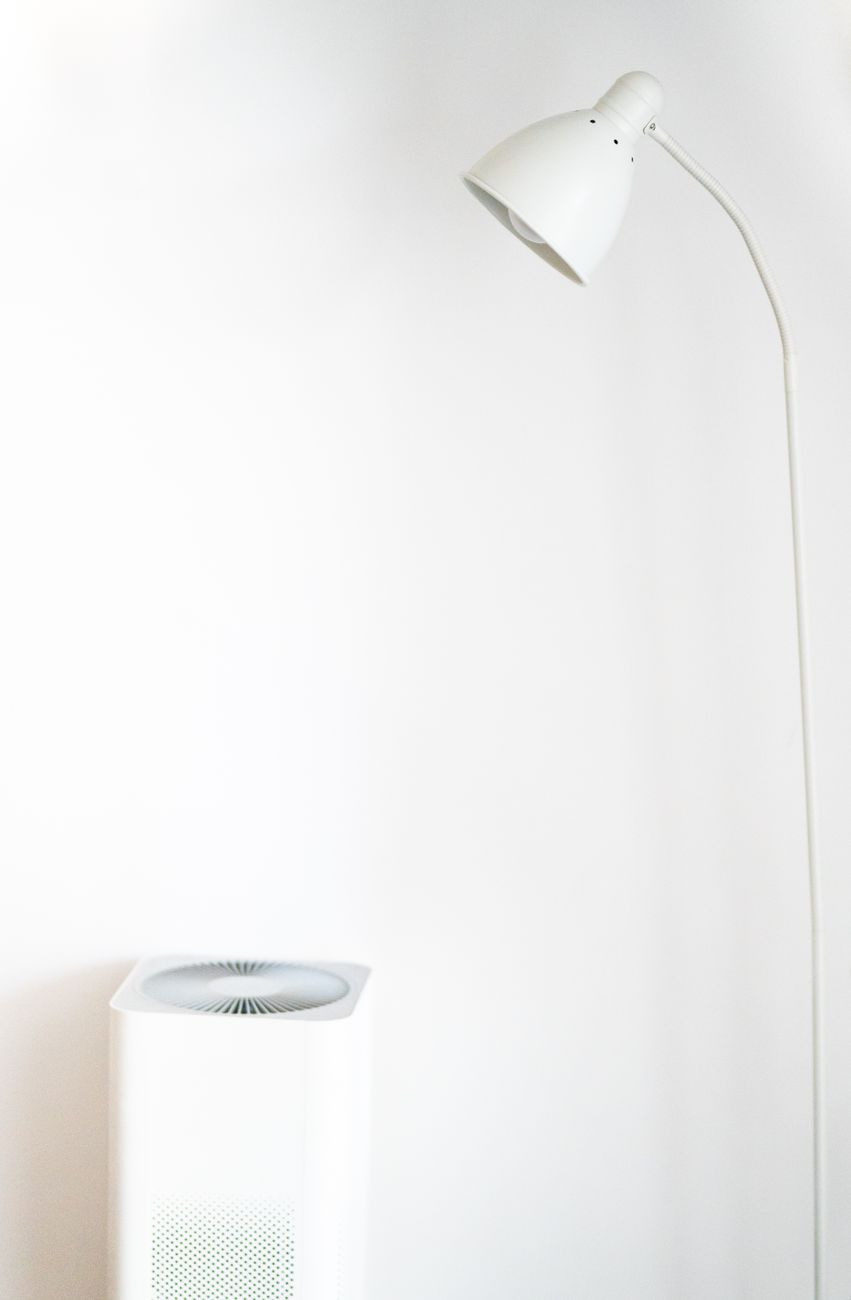
You specifically want one with an activated carbon filter. Regular HEPA-only purifiers catch hair and dust, but carbon is what actually grabs odor and ammonia out of the air.
In a small apartment, even a compact one near the box makes a real difference, because there’s not much air for it to clean. Run it on low all day rather than blasting it for an hour.
It’s the difference between “I think they have a cat” and “wait, you have a cat?”
9. Skip the Sprays and Plug-Ins (Do This Instead)
I know the urge. The box smells, so you reach for the scented spray or a plug-in air freshener.
This almost never works, and often makes it worse. You don’t get a clean apartment. You get cat pee plus fake vanilla, which is its own special nightmare.
Worse, strong fragrances bother cats. Their noses are far more sensitive than ours, and a chemical-smelling area near the box can push them to go elsewhere.
Instead, lean on the unscented stuff: baking soda, activated charcoal, and good airflow. Neutralize the odor, don’t paint over it.
If you want any scent at all, keep it far from the box, not on it.
Bonus: When the Smell Is a Health Signal
One quick thing that’s easy to miss.
If the litter box smell suddenly gets way stronger for no reason, and you haven’t changed anything, that can be a clue.
A sharp spike in ammonia smell, very strong urine, or a new foul odor can point to a UTI, kidney issues, or a diet problem. Cats hide illness well, and the litter box is sometimes the first place it shows up.
If the smell changes overnight and scooping doesn’t fix it, it’s worth a vet call. Most of the time it’s nothing. But it’s the one case where the answer isn’t a cleaning tip.
Your Quick Cleaning Cadence
Stick this on the fridge and you’ve basically solved it.
| How often | What to do |
|---|---|
| Twice a day | Scoop everything out |
| Weekly | Dump litter, wash box with unscented soap |
| Weekly | Refresh baking soda or charcoal layer |
| Every 6-12 months | Replace plastic boxes |
| Always | Keep airflow, skip scented sprays |
The Bottom Line
A small apartment that smells like a litter box is fixable, and it usually doesn’t take money. It takes a system.
Scoop twice a day. Use clumping carbon litter with a little baking soda. Give the box airflow, deep clean it weekly, and keep enough boxes around.
Do that, and your apartment smells like a home, not like a cat lives there. Your guests will never know. Your cat will be happier too.
Now go scoop. You know it’s been a few hours.