GigaPaw.com participates in affiliate programs including Amazon Associates. We earn from qualifying purchases. Content is for informational purposes only—consult a licensed veterinarian for pet medical advice.
How to Keep Peace in a Multi-Cat Home (Stress-Free Tips!)

So you thought getting a second cat would give your first cat a buddy.
Now they’re eyeballing each other like rivals on a reality TV show.
Here’s the thing: between 62% and 88% of multi-cat households deal with tension between their cats. That’s not just you – that’s basically everyone with more than one cat. The American Association of Feline Practitioners just released new guidelines in 2024 specifically because this problem is so common and so misunderstood.
But before you panic and start scrolling through cat adoption reversal policies, know this: peace is totally possible.
You just need to understand what your cats actually need (spoiler: it’s not “alone time to work things out”).
Why Your Cats Are Fighting (And It’s Not Personal)
Cats are solitary hunters by nature.
In the wild, when two cats have beef, the loser just leaves the territory. Problem solved, everyone moves on with their nine lives.
But in your house? There’s nowhere to go. Your cats are stuck together like roommates who can’t break the lease.
Think of it like forcing two people who hate each other to share a studio apartment forever. Eventually, someone’s going to lose it over who left dishes in the sink.
The research shows that cats don’t have the same “let’s talk it out” skills that dogs or humans have. When dogs fight, they make up. Cats? They hold grudges longer than your aunt who wasn’t invited to that wedding in 2015.
The Litter Box Rule (No, Really, This Matters)
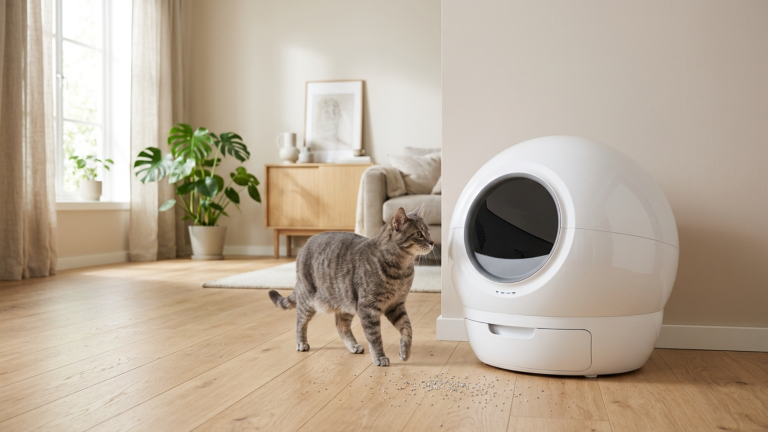
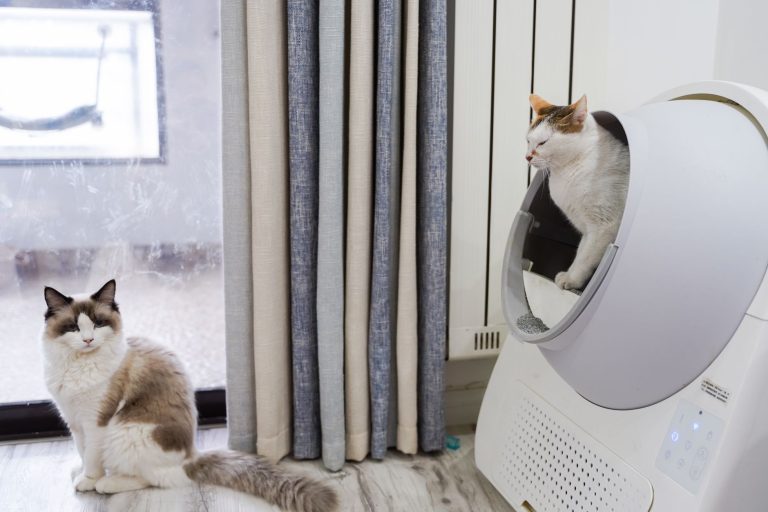
Here’s the golden rule: one litter box per cat, plus one extra.
If you have three cats, you need four litter boxes. Yes, I can hear you groaning from here.
But here’s why it matters: dominant cats will literally mark litter boxes as their territory by not burying their business. Other cats see this and think “welp, that’s not my bathroom anymore” and start peeing on your carpet instead.
Also, don’t put all the litter boxes in one room. That’s like having one bathroom that everyone has to walk through the boss’s office to reach. Spread them out.
The Secret Weapon: Vertical Space
This is where things get interesting.
You know how your cats love sitting on top of the fridge, the bookshelf, basically anywhere that makes it hard for you to reach them when they knock something over?
That’s not just them being jerks. Cats feel safer and more secure when they’re up high. It’s leftover instinct from when being high up meant predators couldn’t get them.
In multi-cat homes, vertical space is like adding square footage without actually moving. One cat can be on the top shelf of the cat tree, another can be on the middle platform, and boom – they’re sharing space without actually being in each other’s bubble.
How to Create Vertical Territory
Cat trees are your best friend. Get one with multiple perches so several cats can use it at once without touching. The rule of thumb: at least as many perches as you have cats.
Wall-mounted shelves are brilliant for small spaces. You can create a whole cat highway along your walls where cats can travel without ever touching the floor. Plus, it looks way cooler than another beige cat tree.
Think about escape routes. In multi-cat homes, you don’t want a cat cornered on a high perch with no way down except past the cat who’s blocking them. Always have two ways up and down.
Food and Water: The Resource Wars
Imagine if every time you wanted a snack, you had to walk past someone who randomly decides whether you’re allowed to eat today.
That’s what happens when one cat guards the food bowl.
Have multiple feeding stations in different locations. Not just two bowls next to each other – cats see that as one resource. Put them in completely different rooms.
Same goes for water. Three cats need three water locations in separate areas. Otherwise, some cats will eat but skip drinking, which leads to all kinds of health problems down the line.
The New Cat Introduction (Don’t Rush This)
This is where most people screw up.
They bring home a new cat, plop both cats in a room together, and expect them to figure it out. Then they’re shocked when World War III breaks out.
Research shows that 73% of cat tension starts when a new cat is introduced. The first 12 months are critical – that’s when relationships form (or don’t).
The Right Way to Introduce Cats
Week 1: Keep them completely separated. New cat gets their own room with everything they need. Let them smell each other under the door.
Week 2: Scent swapping. Rub a towel on one cat’s face, let the other cat investigate it. Do this daily. You’re basically creating a shared “group scent” without the cats actually meeting.
Week 3-4: Controlled visual contact. Let them see each other through a baby gate or cracked door. Feed them on opposite sides so they associate each other with good things.
Month 2+: Supervised interactions. Finally let them in the same space, but watch closely. Have distractions ready (toys, treats). Keep sessions short.
Yes, this takes weeks. No, you can’t speed it up. The first impression is everything – rush it and they might hate each other forever.
The Pheromone Hack
This sounds like pseudoscience, but it’s actually legit.
Feliway and similar pheromone products mimic the “happy” facial pheromones cats naturally produce. Plug in a diffuser, and it basically tells your cats “this is a safe, chill space.”
One cat behaviorist said she’s seen cases where pheromones were the only reason existing cats accepted a new cat. It won’t fix everything, but it definitely helps take the edge off.
Scratching Posts (More Than You Think)
Cats scratch for two reasons: claw maintenance and territory marking.
If you only have one scratching post, guess what? One cat claims it, and the others start using your couch as backup.
Provide multiple scratching surfaces – at least one per cat, ideally more. Mix vertical posts, horizontal scratchers, and different textures (sisal, cardboard, carpet).
Put them in high-traffic areas where cats naturally want to mark territory. Not just tucked in the corner where you hope guests won’t notice.
Play Therapy (Yes, That’s a Real Thing)
Cats sleep up to 16 hours a day to conserve energy for hunting.
But your indoor cats aren’t hunting. All that pent-up energy has to go somewhere – and if there aren’t enough outlets, it goes into ambushing their housemates.
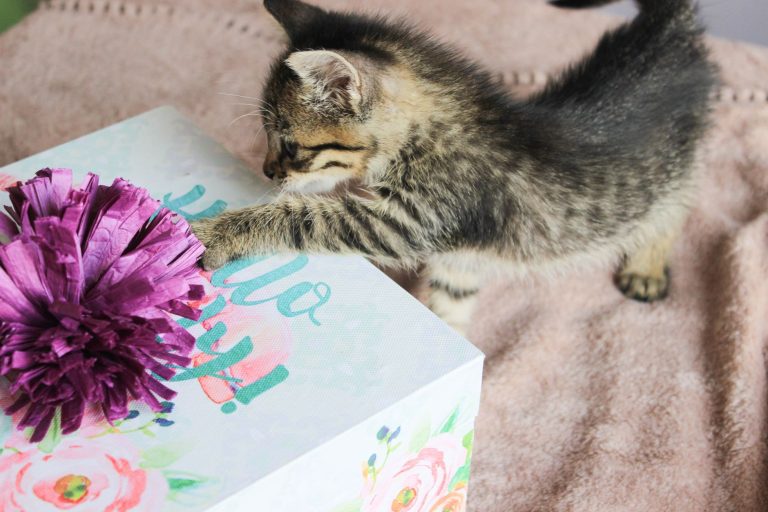
Interactive play sessions help in two ways. First, tired cats are peaceful cats. Second, when cats play together or near each other with you, they start associating each other with fun instead of competition.
Aim for at least 15-20 minutes of active play per cat, daily. Use wand toys, laser pointers (always end with a catchable toy), or anything that mimics prey movement.
Signs of Real Problems vs. Normal Cat Stuff
Not all cat conflict is bad.
Normal play fighting: Silent or quiet, gentle bites with retracted claws, cats take turns being on top, they come back for more.
Actual aggression: Hissing, screaming, swiping with claws out, one cat always chasing/stalking, the victim cat starts hiding all the time.
If you’re seeing real aggression, don’t use water sprays or loud noises. That actually makes things worse by adding more stress and potentially making them redirect aggression onto whoever’s closest.
Instead, separate them completely. Go back to square one with reintroductions. Sometimes cats need a total reset.
When to Call in the Professionals
Sometimes DIY isn’t going to cut it.
Consider a veterinary behaviorist if: Cats are injuring each other, one cat can’t access food/water/litter safely, the situation isn’t improving after 3+ months, or you’re seeing signs of stress-related illness.
Veterinarians can also rule out medical issues. Pain makes cats grumpy, and a cat with a urinary tract infection might start avoiding the litter box, which looks like behavioral problems but is actually health problems.
The Real Talk: Sometimes It Just Doesn’t Work
Here’s what nobody wants to say: some cats genuinely don’t like other cats.
Veterinarians recommend keeping no more than 4-5 cats in a household, with a hard limit at six. After that, you start seeing way more medical and behavioral problems.
And honestly? Some cats are just happier as only children. If you’ve tried everything, worked with a behaviorist, and your cats are still miserable, rehoming one cat to a single-cat household might be the kindest option for everyone.
That doesn’t make you a failure. It makes you someone who puts their cats’ wellbeing first.
The Bottom Line
Multi-cat households can absolutely work. But they take work.
More litter boxes than you think you need. More vertical space. More feeding stations. More patience during introductions. More play time.
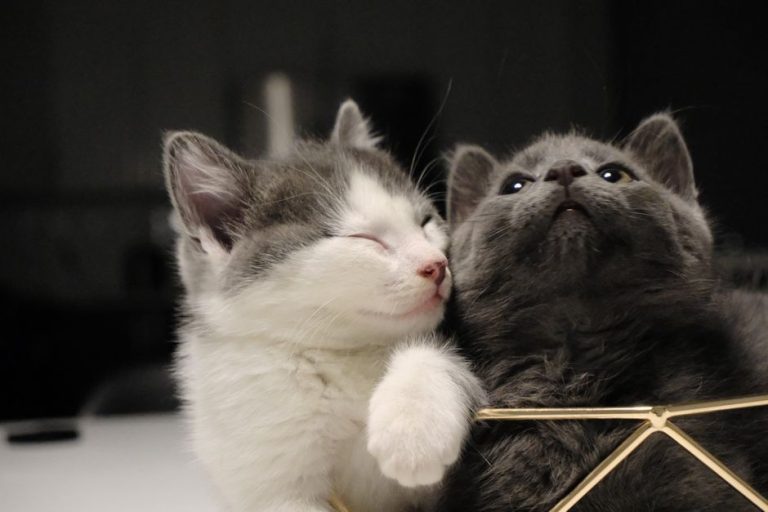
The good news? When you get it right, watching cats who genuinely like each other groom each other and curl up together is pretty much the best thing ever.
And even if they never become best friends, peaceful coexistence is a totally valid goal. Tolerance is underrated.
Your cats don’t have to love each other. They just have to not fight over the food bowl.
Start with the basics: litter boxes, vertical space, separate resources. Give proper introductions time. And remember – you’re not trying to force a friendship. You’re just creating an environment where everyone can relax and get what they need without stepping on each other’s toes (or tails).