GigaPaw.com participates in affiliate programs including Amazon Associates. We earn from qualifying purchases. Content is for informational purposes only—consult a licensed veterinarian for pet medical advice.
Best Low-Tracking Cat Litter for Small Apartments and Hidden Boxes

Let’s talk about the trail.
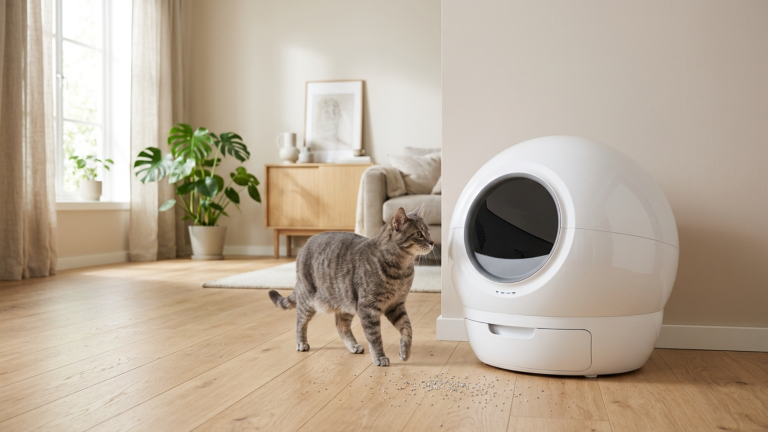
You scoop the box, you feel good about life, and then you walk barefoot across the apartment and step on a single sharp piece of litter like it’s a tiny landmine.
In a big house, tracked litter is annoying. In a small apartment, it’s everywhere, instantly, all the time.
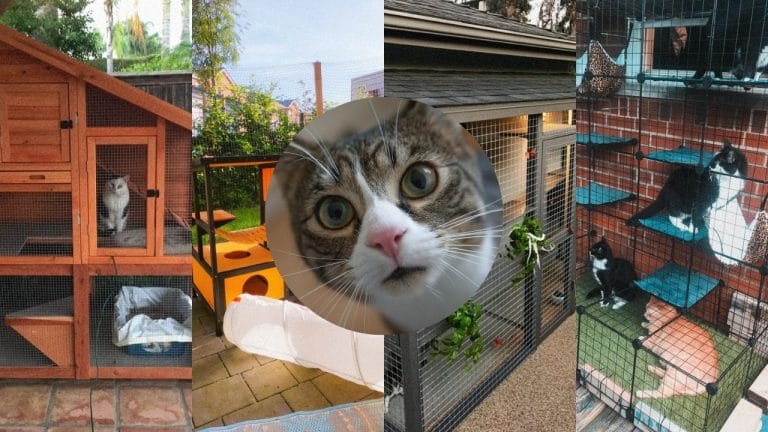
And if you’ve tucked the box inside a cabinet, bench, or enclosure to keep it hidden, tracking gets worse, not better. The litter piles up right at the exit and your cat drags it out one paw at a time.
So let’s fix the litter itself. Here are the best low-tracking cat litters for small spaces and hidden setups, plus the simple rules for picking one.
Why Hidden Setups and Small Apartments Make Tracking Worse
This part surprises people who buy a fancy enclosure expecting a cleaner floor.
A hidden box concentrates everything in one tight spot. Your cat kicks litter against the cabinet walls, it bounces back, and it builds up into a little gravel pile right at the entry.
Then every exit is a fresh delivery onto your floor.
In a small apartment, there’s no long hallway for that litter to spread out and disappear into. It goes straight onto the one rug you own and the bare floor you walk on barefoot.
So the litter you pick matters more in a small space than it ever would in a big house. The right one basically solves the problem at the source.
What Actually Makes a Litter Low-Tracking
Before the picks, here’s the quick science so you can judge any bag yourself.
Granule size is the big one. Large pellets and chunky grains are too big to wedge into paw pads, so they fall off right at the box instead of hitching a ride across your apartment.
Weight matters too. Heavier litter is harder for your cat to fling against the walls of an enclosure. Lightweight litters feel great to carry, but they scatter like crazy.
Dust is the sneaky half. Fine, dusty clay coats your cat’s fur and paws and gets carried out invisibly. Low-dust formulas cut tracking before it even starts, and they’re a must in an enclosed box where dust has nowhere to go.
In short: big grains, decent weight, low dust. Pellets win on all three.
Quick Comparison: Low-Tracking Litter Types
Here’s the lay of the land before we get to specific bags.
| Litter type | Tracking | Best for | Watch out for |
|---|---|---|---|
| Tofu pellets | Very low | Hidden boxes, flushable convenience | Costs more per bag |
| Pine pellets | Very low | Budget, big enclosures | Doesn’t clump (breaks down) |
| Walnut shell | Low | Odor control plus low tracking | Skip if tree-nut allergy in home |
| Paper pellets | Very low | Dust-sensitive cats, post-surgery | Weaker odor control |
| Corn (low-track formula) | Low | Clumping fans who hate tracking | Watch for mold in humid rooms |
| Large crystal/silica | Low | Max odor control in tight spaces | Small crystals can still scatter |
| Heavy clumping clay | Medium | Die-hard clumping clay users | Tracks more than any pellet |
The 7 Best Low-Tracking Cat Litters
These are ordered roughly by how well they fit a small apartment with a hidden or enclosed box.
1. Tofu Litter (Best Overall for Hidden Boxes)
If you only try one thing, try tofu litter.

It’s made from soybean fiber, shaped into small oblong pellets that are too big and light-coated to stick in paws but heavy enough to stay put. Low dust, low tracking, and most brands clump and flush.
In a hidden enclosure, this is the one that keeps the entry cleanest. Look for a well-reviewed brand like Pidan tofu litter or a similar tofu option.
The only real downside is price. It costs more than clay, but in a small space you use less and clean less.
2. Pine Pellets (Best Budget Pick)
Pine pellets are the cheapest way to nuke tracking.
The pellets are large, heavy, and dry, so they basically refuse to leave the box. They also smell clean and woodsy, which helps in a tight apartment.
Grab a bag of pine pellet litter and pair it with a sifting box if you want easy cleanup.
One catch: most pine pellets don’t clump. They crumble into sawdust when wet, so you sift instead of scoop. Some people love that, some don’t.
3. Walnut Shell Litter (Best for Odor Plus Tracking)
This is the pick if your real problem is smell and tracking, which in a small apartment, it usually is.
Walnut shell litter clumps firmly and the natural tannins fight ammonia odor hard. The grains are larger and darker than clay, so they track far less.

It pairs perfectly with everything in our guide to getting rid of litter box smell. Try a bag of walnut shell cat litter.
Important warning: skip this one if anyone in your home has a tree-nut allergy, since airborne walnut dust can be a problem.
4. Paper Pellet Litter (Best for Dust-Sensitive Cats)
If your cat sneezes at clay or just had surgery, paper pellets are the gentle choice.
They’re large, soft, nearly dust-free, and they don’t stick to paws at all. Tracking is almost nonexistent.
Reach for classic paper pellet litter.
The tradeoff is odor control. Paper soaks up liquid well but doesn’t fight smell as hard, so scoop often and add a little baking soda underneath.
5. World’s Best Corn Litter, Low-Track Formula (Best Clumping Flushable)
Want real clumping and low tracking? This corn-based litter is built for exactly that.
The low-track version uses a larger, denser granule that clumps tight, flushes, and stays in the box far better than standard clay.
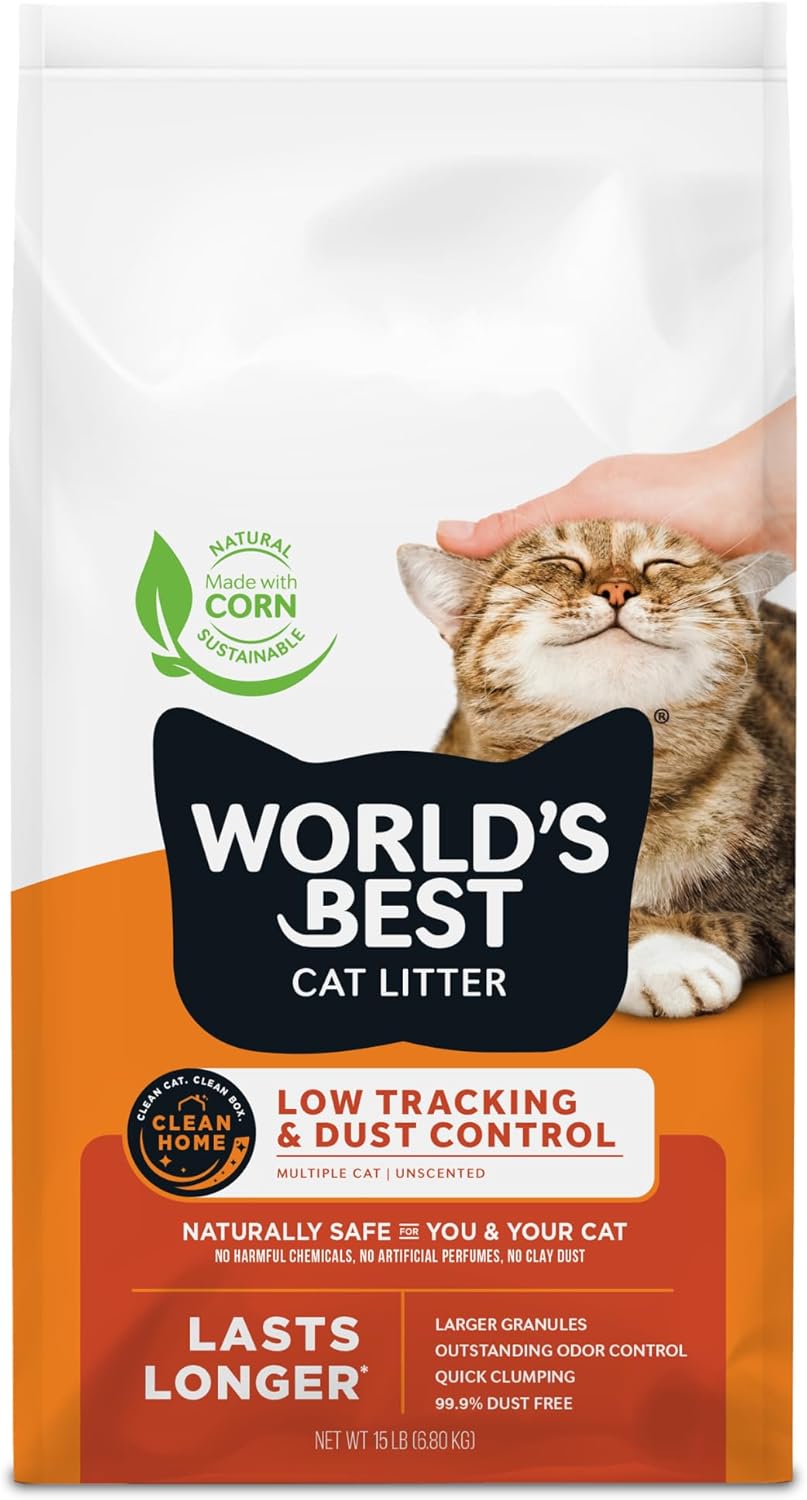
Pick up the low-tracking corn litter if you want the scoop-and-flush routine without the gravel trail.
Just keep the box dry and ventilated, since corn litter can grow mold in a damp, sealed enclosure.
6. Large-Grain Crystal Litter (Best for Max Odor in Tight Spaces)
Crystal, or silica, litter is the odor king for small apartments.
It locks in moisture and smell so well you can go longer between full changes, which is great when the box lives in your living space.
Choose a large-crystal version, not the fine stuff. Go for chunky crystal cat litter so the granules are too big to scatter.
The catch: smaller crystals can still bounce out of the box and crunch underfoot, so size matters here.
7. Heavy Clumping Clay (Best for Clay Loyalists)
Maybe you’ve tried pellets and your cat staged a protest. It happens.
If you’re staying with clumping clay, go heavy and low-dust. A dense, hard-clumping clay tracks far less than the lightweight stuff, because your cat can’t fling it around as easily.
Look for a heavyweight, low-dust hard clumping clay litter.
It will still track more than any pellet on this list. But paired with a good mat, it’s a livable compromise for committed clay fans.
Low-Tracking Tricks That Work With Any Litter
The litter does most of the job. These small moves finish it off, especially in a hidden setup.
- Put a litter mat at the box exit. In an enclosure, place it right at the entry so paws get wiped on the way out.
- Use a high-sided or top-entry box inside the cabinet so kicked litter hits a wall instead of the floor.
- Fill only 2 to 3 inches deep. Overfilling means more litter to kick and track.
- Give the enclosure airflow. A sealed cabinet traps dust that becomes tracking, so make sure air can move.
- Scoop daily. Less sitting litter means less getting dragged out.
If you’re still setting up the hidden box itself, our hidden litter box ideas for renters covers enclosures that don’t trap dust or smell.
So Which One Should You Buy?
Here’s the short version for a small apartment with a hidden box.
For the cleanest floor overall, get tofu litter. It’s the best all-around low-tracking pick and it flushes.
For odor plus low tracking, go walnut. For the lowest price, go pine pellets. For a dusty-sensitive cat, go paper.
Whatever you pick, choose big grains over fine clay, add a mat at the exit, and scoop daily. Do that, and you can finally walk across your apartment barefoot without flinching.
Your floors will thank you. So will your feet.