GigaPaw.com participates in affiliate programs including Amazon Associates. We earn from qualifying purchases. Content is for informational purposes only—consult a licensed veterinarian for pet medical advice.
How to Road Trip With Your Cat (Without Both of You Losing It)

So you’re about to put your cat in a car for more than the 12-minute drive to the vet. First reaction: dread. Second reaction: that very specific guilt that comes from knowing your cat is about to yowl at you for six hours straight.
I get it. Cats are not dogs. They do not “good boy” their way through a road trip. They do not enjoy the wind. They have opinions about the car, and those opinions are usually screamed.
But here’s the thing. Road tripping with a cat is absolutely doable. People do it all the time, including across country, including with multiple cats, including without losing their mind. You just need a real plan, not a vibes-based one.
This guide is the actual how-to. Not the gear list (that’s covered in our Cat Travel Essentials Checklist). This is the process: what to do, in what order, starting weeks before you leave.
Step 1: Book the Vet Visit First (Not Last)
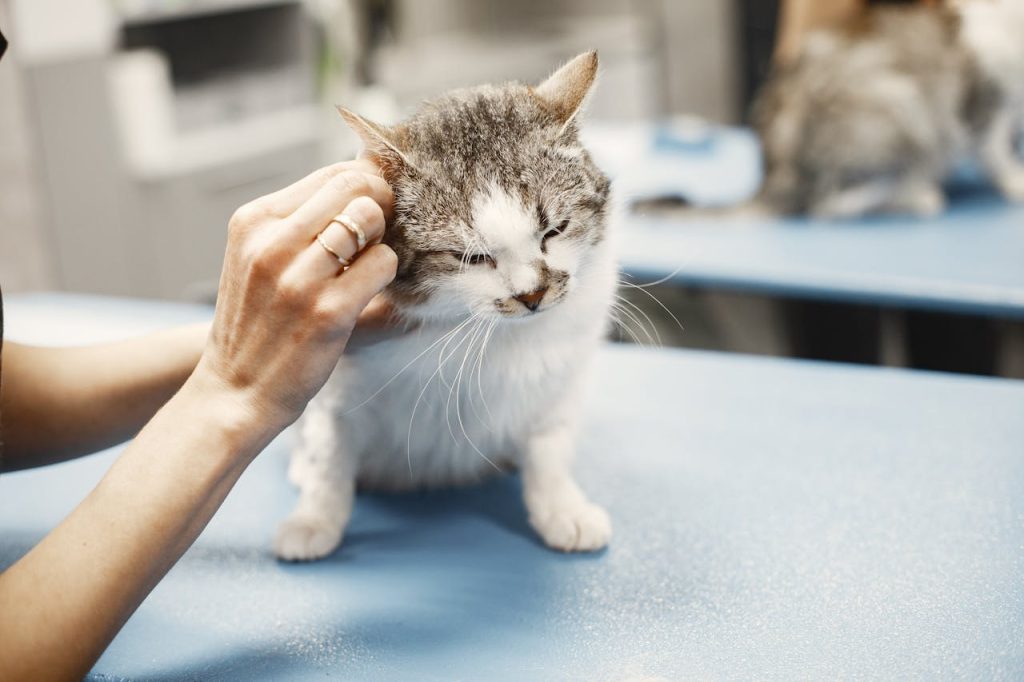
Before anything else, get your cat to the vet. Not the day before you leave. At least 2-3 weeks out.
Two reasons. One, you want a clean bill of health, current vaccines, and a copy of records to keep in the glovebox in case anything goes sideways on the road. Two, you want to have the conversation about travel meds while there’s still time to do a test run at home.
The two big names your vet will probably mention:
- Gabapentin for anxiety. Standard dose is 50-100mg per cat, given 2-3 hours before travel. Some cats need 200mg, some only 50. It wears off in 8-12 hours, and the most common side effect is wobbly walking, which is kind of the point.
- Cerenia (maropitant) for motion sickness. Specifically the throw-up part. If your cat got carsick on the way to the vet, you want this in your hand.
Do not, under any circumstances, dose your cat for the first time on the actual road trip morning. Test it at home a week before. Some cats react weird. Better to know that in your living room than at hour two of an eight-hour drive.
Step 2: Acclimate Your Cat to the Carrier (Weeks Before)
This is the step everyone skips. And then they wonder why their cat turns into a windshield wiper of claws when they try to load up.
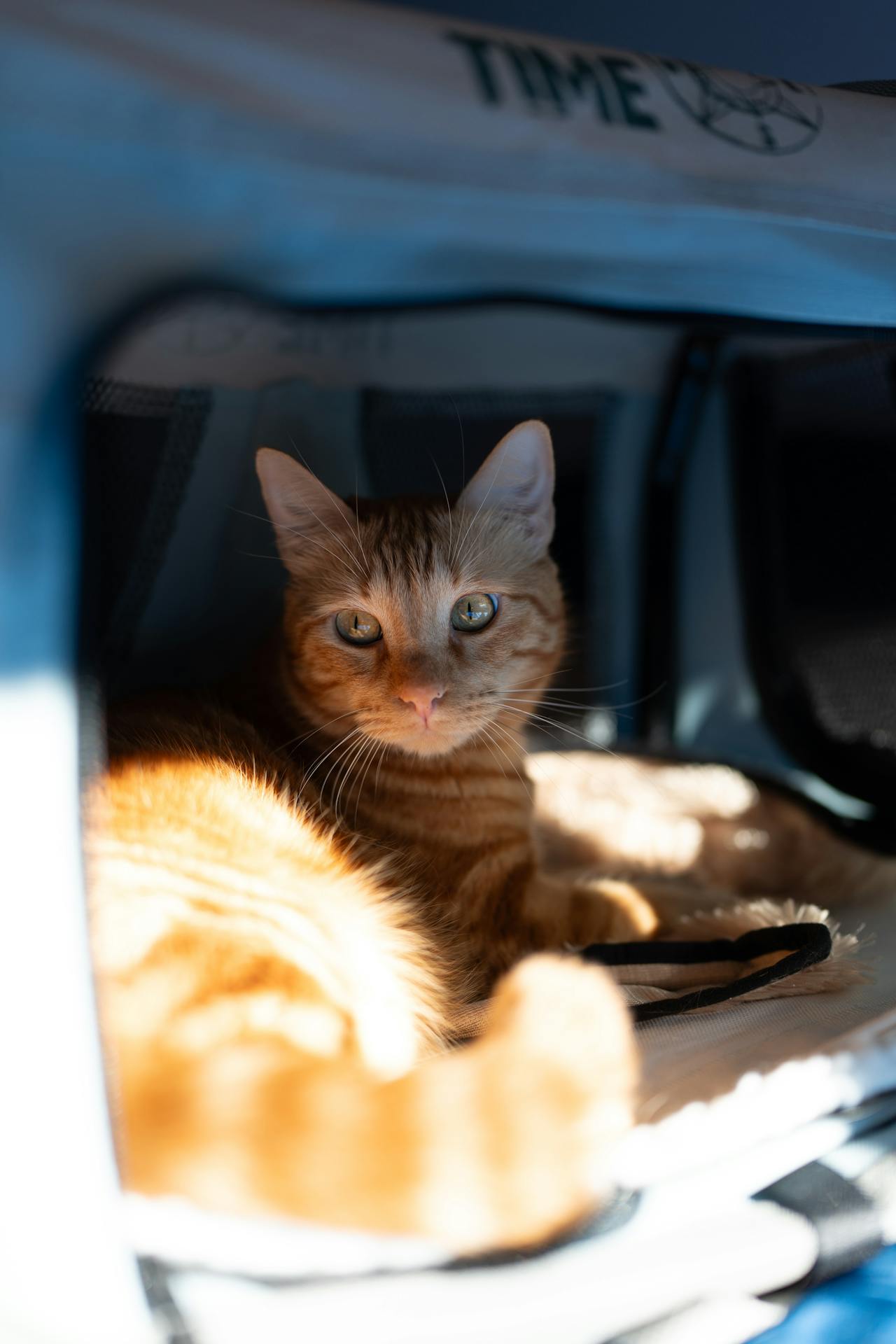
Pull the carrier out of the closet and leave it in your living room. Open. Empty. For weeks. Toss a blanket inside that smells like home. Drop treats in it randomly. Feed your cat near it. Eventually, in it.
The goal is that the carrier becomes furniture. Boring, normal, neutral. Not “the box that means doom.”
If you wait until the night before to introduce a new carrier, you’re starting from zero and your cat will spend the entire drive trying to claw out of a thing it has correctly identified as enemy territory.
Step 3: Practice Car Rides (Yes, Really)
Once your cat is okay sitting in the carrier inside the house, you graduate to the car.
The first session is literally just this: carrier in the car, car off, you sit in the back seat with the carrier door open, hand inside, treats and pets. Five minutes. That’s it. Then back inside.
Next session: same thing, but turn the engine on. Don’t drive. Just let the car hum.
Then a 2-minute drive around the block. Then 10 minutes. Then a 20-minute loop on the highway. Build it up.
I know this feels like overkill. It’s not. A cat that has practiced car rides at low stakes is a completely different animal from a cat that’s experiencing a moving vehicle for the second time in their life on a 600-mile drive.
Step 4: Pack Smart (Without Re-doing the Whole List)
We have a whole post on the 17 must-haves before you hit the road, so I’ll keep this short. But the non-negotiables for the drive itself are:
- A hard-sided carrier (more on why below)
- A spill-proof water bowl or syringe
- A travel litter box (disposable foil pans work great)
- Familiar blanket / their bed
- Treats
- Paper towels and a roll of trash bags (trust me)
- Vaccine records and your vet’s number
Put the cat-only stuff in one bag. Pack it last so it’s the first thing out at the hotel.
Step 5: The Night Before Departure
Here’s the move that saves your upholstery.
Take away food the night before, ideally 8-12 hours before you leave. Healthy adult cats can go 12-18 hours without a meal, no problem. What you’re preventing is a stomach full of breakfast sloshing around at 70 mph.
Water? Keep water available until morning, then offer small amounts at breaks instead of leaving a full bowl in the carrier.
Also: get the carrier out, put it by the door, and let your cat do their normal evening thing without making a big deal of it.
Step 6: Day-of Loading (How to Not Get Scratched to Hell)
Give the gabapentin (if your vet prescribed it) 2-3 hours before you actually plan to pull out of the driveway. Set a timer or you will forget.
When it’s time to load, do not chase your cat around the house. Close them into one small room (bathroom works great) a half hour before. Bring the carrier to them, set it on its end with the door facing up, lower the cat in butt-first. Done. No drama, no rodeo.
Secure the carrier in the back seat with a seatbelt. This is a real thing. A loose carrier becomes a projectile in a sudden stop. Run the seatbelt through the carrier’s handle or strap loops. Hard-sided carriers are safest because soft ones collapse in a crash.
If your cat is the type that gets carsick from watching the world go by, drape a light blanket over half the carrier so they can see out one side but have a dark “den” on the other.
Step 7: The Actual Drive
Here’s what nobody tells you: the first 30 minutes are the worst. Your cat will yowl. They will sound like they’re dying. They are not dying. They are annoyed and confused.
Do not pull over to “comfort” them in the first hour. It teaches them that screaming gets the car to stop. Just drive. Talk to them in a calm voice. Play soft music or just keep the car quiet. Most cats settle within 30-60 minutes.
A few drive rules:
| Do | Don’t |
|---|---|
| Keep the car cool (65-72°F) | Crack windows where they can squeeze out |
| Drive smooth, no jerky lane changes | Open the carrier while moving, ever |
| Stop every 3-4 hours for a break | Leave the cat alone in a parked car |
| Talk to them, low calm voice | Stick your hand in to “reassure” mid-drive |
That last “don’t” is huge. Never open the carrier while the car is moving. A startled cat can wedge under the brake pedal in two seconds. People have died from this.
Step 8: Breaks, Bathroom, and Water
Every 3-4 hours, find a rest area or quiet parking lot. Roll up the windows. Turn off the car. Close all doors.
Now you can open the carrier and offer:
- A small dish of water (or a syringe if they won’t drink)
- The travel litter box, placed on the floor or back seat
- A few treats if they’re eating
Realistic expectation: most cats will not pee, poop, eat, or drink in the car for the entire first day. This is normal. They’re stressed and holding it. They will go once you’re stopped overnight at the hotel. Don’t panic.
If you’re doing more than 6 hours in a day, the carrier becomes unfair. Either upgrade to a soft-sided travel crate big enough for a litter pan, or break the trip into shorter days.
Step 9: Hotel Survival
This is where people screw up. Booking “pet-friendly” without calling to confirm cats are included.
Always call ahead. Some chains that are reliably cat-friendly:
- Motel 6 (no pet fee, 2 pet limit)
- Red Roof Inn (no pet fee at 670+ locations)
- Kimpton (any pet, no fees, no limits)
- La Quinta (most allow cats, around $25/night fee)
Motels are actually easier than hotels because you park right outside the room. Less carrier-walk through a lobby full of dogs.
When you get to the room:
- Inspect first, cat second. Check under the bed, behind the headboard, inside box springs, behind the dresser. Cats wedge into the dumbest places. Block any holes with towels or pillows.
- Set up a “home base” in the bathroom: litter box, water, food, their blanket. The small enclosed space is less overwhelming.
- Then open the carrier. Let them come out on their own time. Some come out in 2 minutes, some in 2 hours.
- Hang the “do not disturb” sign, always. Housekeeping opening the door is a runaway cat waiting to happen.
Feliway spray on the bedding and around the room genuinely helps. So does running their food schedule the same way you do at home.
Step 10: Arrival at the Final Destination

When you get to wherever you’re going, the move is the same as the hotel, just bigger.
Pick one room. Set up litter, food, water, hiding spot. Put the carrier in there with the door open. Let your cat decide when to come out.
Don’t force them around the new house all at once. Give them 24-48 hours in that one room. Then crack the door and let them expand on their own.
A cat that just rode in a car for two days is running on a completely empty stress battery. They need to recharge in a small, controlled space before they can handle a whole new environment.
Quick FAQ
How long can a cat stay in a carrier?
For most healthy adult cats, 6 hours is the upper limit before they need a real break with the litter pan and a stretch. Older cats and kittens, less.
Should I let my cat out of the carrier in the car?
No. Not while moving, ever. Even harness-and-tether setups should only be used when you trust your cat 100% in a car, and most cats can’t be trusted. The carrier is the safe answer.
What about sedation versus gabapentin?
True heavy sedation is rarely used anymore for car travel. Gabapentin (anti-anxiety) and Cerenia (anti-nausea) have largely replaced it because they’re safer and the cat stays aware. Talk to your vet.
My cat won’t pee or drink the whole drive. Is that an emergency?
Not for one day. By the time you’re at the overnight stop, things should normalize. If you go 24+ hours with no urination once you’re settled somewhere quiet, that’s vet-call territory.
Can I road trip with two cats?
Yes, in separate carriers. Never in the same carrier. Stressed cats can redirect aggression onto each other and you’ll arrive with two injured cats.
The Bottom Line
Road tripping with a cat is 80% preparation, 20% actual driving. If you start three weeks out, get the vet involved, acclimate the carrier, do practice drives, and have a real hotel plan, the trip itself is honestly kind of boring. Which is exactly what you want.
The cats that have the worst road trips are the ones whose owners said “she’ll be fine” and skipped the prep. Don’t be that owner. Your cat will thank you by, you know, not screaming at you for nine hours.
If you haven’t built your kit yet, go grab the Cat Travel Essentials Checklist and start packing. And if your cat is one of those rare ones who genuinely loves the car, send us a photo because we don’t believe you.